
Why Do CEOs Prefer Private Jets Instead of Commercial Flights?
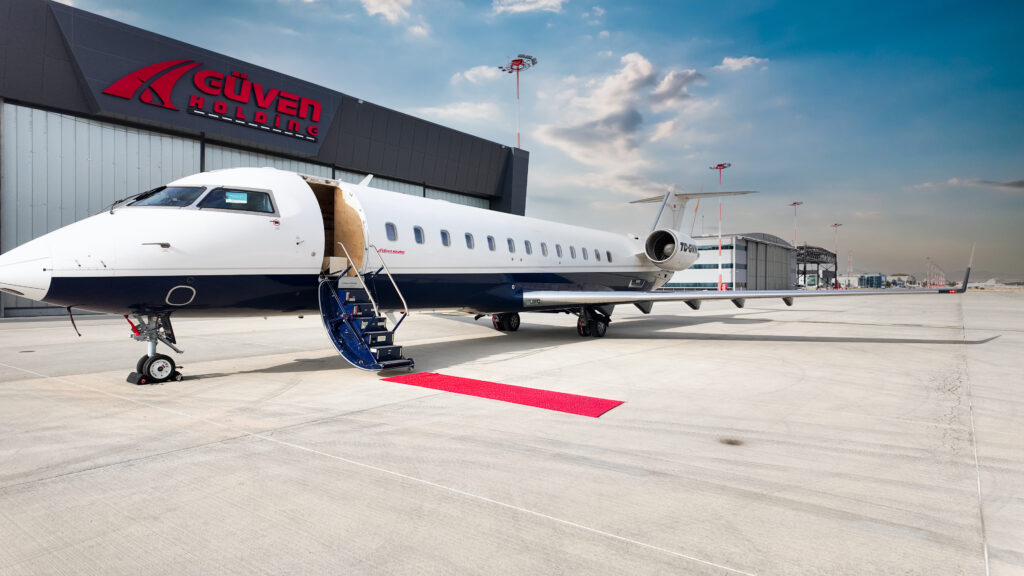
Why Is Time More Valuable Than Money for Senior Executives?
In the global business world, the most valuable resource for CEOs and senior executives is not money, but time. For a CEO who needs to hold meetings in multiple cities within a single day, being tied to the fixed schedules of commercial flights can result in significant time loss.
For this reason, in recent years, the CEO private jet preference has been seen not merely as a luxury, but as a strategic business decision.
1. Time Management and Flexibility
In commercial flights:
fixed departure times
check-in and security waiting periods
layovers
risk of delays
are unavoidable.
In private jet travel:
the departure time is scheduled according to the passenger
waiting time is minimal
direct landing at the target airport is possible
schedule changes can be managed more flexibly
For a CEO, saving just a few hours can mean making multi-million-dollar decisions on time.
2. Privacy and Strategic Information Security
For CEOs, conversations during flights can be critical. On commercial flights:
you do not know who is sitting next to you
sensitive phone calls cannot be conducted
confidential documents cannot be reviewed openly
In a private jet environment:
a fully enclosed cabin
invited passengers only
secure communication
are possible.
Especially during mergers, acquisitions, or investment processes, confidentiality is of vital importance.
3. Efficiency: Flight Time Becomes Work Time
Time spent on commercial flights is often passive. With private jet travel, flight time transforms into an active workspace.
meetings can be held
presentation preparations can be completed
team briefings can be conducted
This turns travel from a time loss into a productive opportunity.
4. Direct Access and Alternative Airports
Commercial flights generally land at large and crowded airports, which extends travel time to city centers.
Private jets, however, can land at:
smaller airports closer to the city center
less congested airports
private terminals
This advantage enables CEOs to save significant time.
5. Completing Multi-City Schedules in a Single Day
For a CEO to have a schedule such as:
morning in Istanbul
noon in Berlin
evening in Paris
is almost impossible with commercial flights.
Private jet usage makes it possible to complete such intensive schedules within the same day.
6. Security and Controlled Environment
Physical security is also important for senior executives. In commercial flights, crowded environments are unavoidable.
With private jet travel:
VIP terminal usage
controlled entry and exit
operations away from crowds
are ensured.
This provides advantages in terms of both security and comfort.
7. Corporate Image and Representation
Choosing a private jet is not always about display. However, in some situations, it is important for corporate representation.
Arriving on time and in a controlled manner at important investor meetings, international summits, and critical business meetings helps create a professional image.
What Is the Real Decision Point for CEOs?
The CEO private jet preference generally depends on the following factors:
flight frequency
time pressure
business volume
need for confidentiality
operational flexibility
When these factors come together, a private jet becomes not a luxury, but a productivity tool.
Is Cost Really a Disadvantage?
At first glance, a private jet may seem more expensive. However, when time loss, canceled meetings, and inefficiencies are taken into account, the picture changes.
The value of one hour of a CEO’s time can often exceed the cost of a private jet.
Therefore, the decision is evaluated not solely based on ticket price, but on overall business value.